
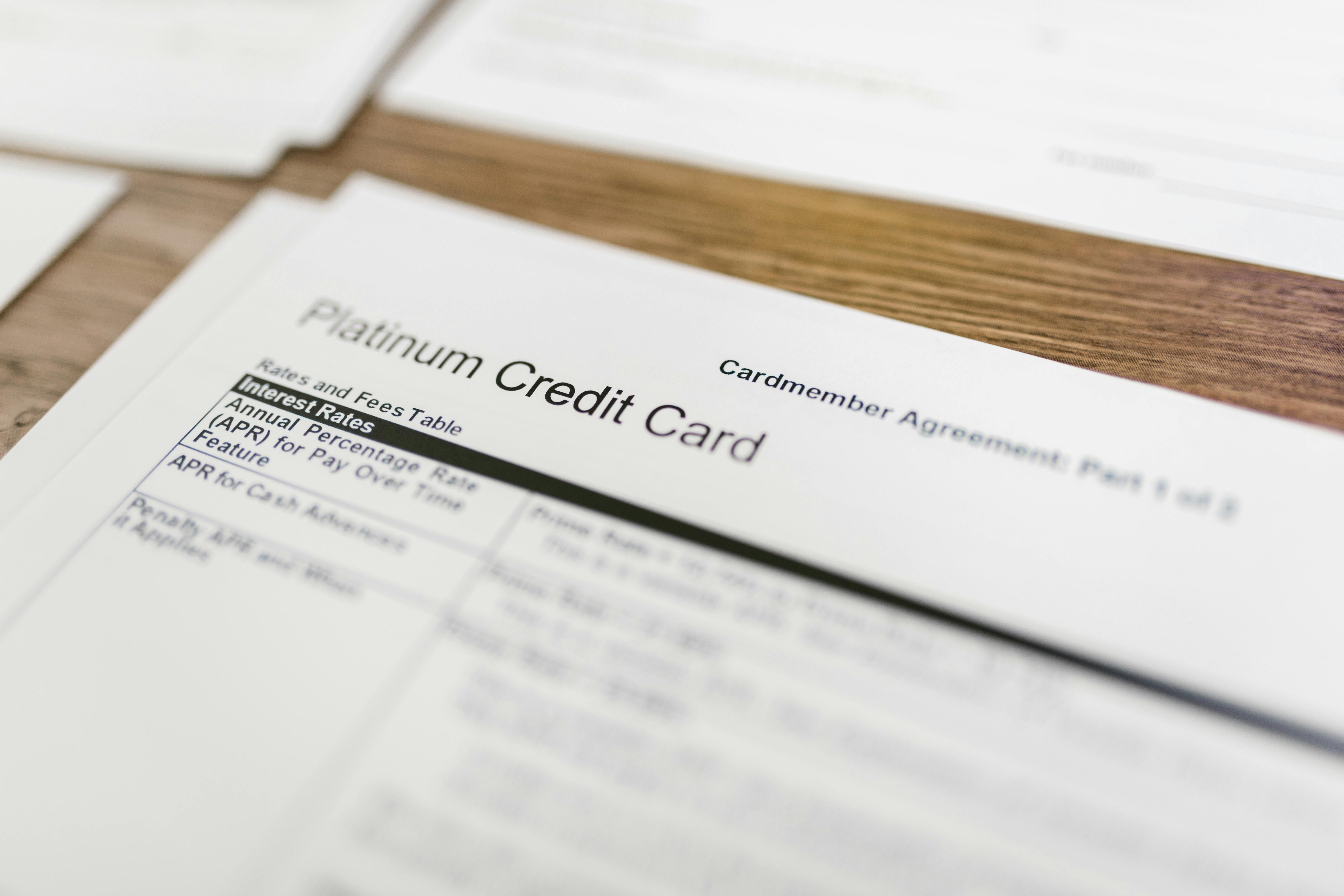
Are you drowning in high-interest credit card debt or personal loans? In 2026, navigating the debt landscape requires smarter strategies. Discover the ultimate guide to debt consolidation, comparing the best balance transfer cards, personal loans, debt management plans, and HELOCs to help you save thousands, lower monthly payments, and achieve financial freedom. Get ready to compare solutions and take control of your financial future today!
Introduction to the Topic
The year 2026 finds many Americans grappling with a persistent financial challenge: high-interest debt. Whether it's the lingering effects of inflation, unexpected expenses, or simply the compounding trap of credit card balances, the burden of debt can feel insurmountable. But what if there was a strategic, proven path to not just manage, but actively diminish, that financial weight? Welcome to the world of debt consolidation – a powerful financial maneuver designed to simplify your obligations, reduce your interest payments, and accelerate your journey to financial freedom. This isn't just about shuffling numbers; it's about reclaiming control, boosting your savings, and fundamentally altering your financial trajectory. At StocksMasterPro.com, we understand the urgency and the potential for massive savings, which is why we’ve meticulously compiled this definitive guide to the top debt consolidation strategies for 2026. Prepare to stop paying exorbitant interest to banks and start saving a fortune!
Backgrounds & Facts
The financial landscape of 2026 presents a complex picture for consumers. While economic growth shows resilience in many sectors, high-interest debt, particularly from credit cards and personal loans, remains a significant concern. Recent reports indicate that the average American household credit card debt has surpassed $7,000, with many carrying balances nearing their limits. Personal loan growth, fueled by both necessity and consumer spending, has also escalated, often coming with interest rates that can stifle financial progress. The insidious nature of high-interest debt lies in its compounding effect: every month, a substantial portion of your payment goes towards interest, barely touching the principal. This creates a vicious cycle where minimum payments keep you trapped, extending the repayment period indefinitely and costing you thousands more than the original amount borrowed.
Moreover, the interest rate environment, though perhaps stabilizing, is still notably higher than a few years prior, making existing variable-rate debts even more costly. This economic reality underscores the critical need for proactive debt management. Ignoring high-interest debt isn't a strategy; it’s a surrender to financial stagnation. Understanding these dynamics is the first step towards breaking free. The facts are clear: the longer you carry high-interest debt, the more wealth you erode. But the good news is, there are powerful tools at your disposal, and consolidation is chief among them.
Expert Opinion / Analysis
“In 2026, debt consolidation isn't just an option; for many, it’s a financial imperative,” states Dr. Eleanor Vance, a leading financial economist and author of 'The Future of Personal Finance.' “The ability to roll multiple high-interest debts into a single, lower-interest payment simplifies budgeting, reduces stress, and, most importantly, frees up capital that would otherwise be lost to interest. We're seeing a significant shift towards consumers seeking more streamlined and efficient financial solutions, and consolidation perfectly fits that need.”
Our analysis at StocksMasterPro.com concurs. The psychological relief of seeing a clear path to debt freedom, coupled with the tangible financial benefits of reduced interest and predictable payments, cannot be overstated. By consolidating, you're not just moving debt around; you're fundamentally restructuring your financial obligations to work for you, not against you. This strategic move can often lead to a lower overall monthly payment, freeing up cash flow for essential expenses, savings, or investment opportunities – a critical component for building wealth in any economic climate. Furthermore, responsible consolidation can positively impact your credit score over time by reducing credit utilization and demonstrating consistent, on-time payments. It’s a proactive step that signals financial responsibility to lenders and opens doors to better financial products in the future.
💰 Best Options in Comparison (VERY IMPORTANT)
Choosing the right debt consolidation strategy is paramount to your success. Each option has unique advantages and disadvantages, making it crucial to evaluate which one aligns best with your financial situation, credit profile, and debt load. Here are the top methods for 2026, designed to help you slash interest and reclaim your financial future:
-
Balance Transfer Credit Cards
How it Works: These cards offer an introductory 0% Annual Percentage Rate (APR) for a specific period, typically 12 to 21 months, allowing you to transfer existing high-interest credit card balances onto the new card. During this promotional period, all your payments go directly towards the principal, not interest, giving you a powerful window to pay down debt rapidly.
Pros: If you can pay off the transferred balance before the 0% APR expires, it's essentially free money saved on interest. They are relatively quick to obtain for those with excellent credit, and the simplicity of having one credit card payment can ease budgeting.
Cons: Requires excellent credit for the best offers. Most cards charge a balance transfer fee (typically 3-5% of the transferred amount). If you don't pay off the balance within the promotional period, the remaining balance will accrue interest at a much higher standard rate, often negating your savings. There's also the risk of accumulating new debt on the old, now empty, credit cards.
Keywords: best balance transfer cards, 0% APR credit cards, credit card consolidation, save on interest, high credit score required.
-
Debt Consolidation Personal Loans
How it Works: A personal loan allows you to borrow a lump sum of money, often at a fixed interest rate, which you then use to pay off multiple high-interest debts. You're left with a single, predictable monthly payment to the personal loan lender over a set repayment term (e.g., 3-7 years).
Pros: Simplifies your finances with one fixed monthly payment. Interest rates are typically much lower than credit card rates, especially for those with good to excellent credit. The fixed term provides a clear end date for your debt. No collateral is usually required for unsecured personal loans.
Cons: Requires good credit to qualify for the most competitive rates. Some lenders charge an origination fee (0-8% of the loan amount). While payments are fixed, a longer repayment term might mean paying more in total interest over the life of the loan compared to aggressively paying down debt on a balance transfer card.
Keywords: best debt consolidation loans, personal loan rates, compare lenders, fixed-rate personal loans, unsecured debt relief.
-
Home Equity Line of Credit (HELOC) or Home Equity Loan (HEL)
How it Works: For homeowners, a HELOC or HEL allows you to borrow against the equity in your home. A Home Equity Loan provides a lump sum with a fixed interest rate and repayment schedule. A Home Equity Line of Credit acts more like a revolving credit line, allowing you to borrow funds as needed up to a certain limit, often with a variable interest rate.
Pros: Generally offers the lowest interest rates because your home serves as collateral. The interest may be tax-deductible (consult a tax advisor). You can access larger loan amounts, making it ideal for substantial debt loads.
Cons: Your home is at risk if you default on payments. HELOCs often have variable interest rates, meaning your monthly payments can fluctuate. There are closing costs involved, similar to a mortgage. The application process can be slower and more involved than other options.
Keywords: HELOC for debt consolidation, home equity loan, low interest debt, homeowner debt solutions, secured personal loan.
-
Debt Management Plans (DMP) via Non-Profit Credit Counseling
How it Works: A non-profit credit counseling agency works with your creditors to negotiate lower interest rates, waive fees, and set up a structured repayment plan. You make one monthly payment to the counseling agency, which then distributes the funds to your creditors. This is not a loan, but a negotiated agreement.
Pros: Can significantly reduce interest rates, making payments more affordable, especially for those with less-than-perfect credit. Simplifies payments to one lump sum. Offers a structured path to debt freedom with expert guidance. Can be a good option when other loan-based consolidation methods are inaccessible.
Cons: Requires closing your credit card accounts, which can initially impact your credit score. You might have a small monthly service fee for the counseling agency. It requires discipline and commitment to the plan. It's not a loan, so you're still paying off the original debt, just under better terms.
Keywords: debt management plan, credit counseling, non-profit debt relief, structured repayment, lower interest rates.
To help you compare these powerful options at a glance, here’s a detailed breakdown:
| Feature | Balance Transfer Card | Personal Loan | HELOC/Home Equity Loan | Debt Management Plan |
|---|---|---|---|---|
| Best For | Smaller, high-interest credit card debt that can be paid off quickly. | Medium to large unsecured debt (CCs, medical bills, other loans). | Large debt loads for homeowners with significant home equity. | Significant unsecured debt, struggling with payments, less-than-perfect credit. |
| Interest Rate | 0% intro APR (12-21 months), then variable high rate. | Fixed, generally lower than credit card rates (e.g., 6-25%). | Lowest rates available, often variable for HELOCs (e.g., 4-12%). | Negotiated lower rates (no new loan, often 0-10% on CC debt). |
| Credit Impact | Good if managed; new hard inquiry, lower utilization if successful. | Good if managed; new hard inquiry, can improve score over time. | Good if managed; new hard inquiry, can improve score over time. | Negative initially (closed accounts), then improves with consistent payments. |
| Collateral Req. | None | None (unsecured) | Home equity | None |
| Risk | High rate after intro period; accumulating new debt. | Higher total interest if long repayment term; origination fees. | Foreclosure if default; variable rates (HELOC). | Closed accounts; initial credit score dip; monthly fees. |
| Speed to Obtain | Fast (days to a week) | Moderate (days to a few weeks) | Slower (weeks to a month or more) | Moderate (weeks) |
| Typical Fees | 3-5% balance transfer fee | 0-8% origination fee | Closing costs (2-5% of loan) | Small monthly service fee (e.g., $25-50) |
Outlook & Trends
Looking ahead to the remainder of 2026 and beyond, the debt management landscape is poised for continued evolution. We anticipate the widespread integration of Artificial Intelligence (AI) and machine learning into personal finance platforms, offering highly personalized debt repayment strategies, predictive analytics for spending, and automated alerts for optimal consolidation opportunities. Fintech companies will continue to innovate, potentially introducing new hybrid consolidation products that blend features from existing options, or offering hyper-specific loans for niche debt types.
Furthermore, there's a growing emphasis on financial wellness and proactive debt prevention. Educational resources, often powered by interactive AI tools, will become more accessible, helping individuals avoid the debt trap in the first place. Regulatory bodies may also introduce new protections or guidelines to ensure fair lending practices and transparent debt relief options. For consumers, this means more choices, more personalized advice, and ultimately, more power to manage their finances effectively. However, the core principles of debt management – understanding your obligations, seeking lower interest rates, and committing to a repayment plan – will always remain paramount.
Conclusion
The burden of high-interest debt can feel overwhelming, but in 2026, you have more powerful tools than ever to fight back. Debt consolidation isn't a magic bullet, but it is a highly effective strategy to simplify your financial life, significantly reduce the interest you pay, and accelerate your path to financial freedom. By carefully evaluating options like balance transfer cards, personal loans, home equity products, or a debt management plan, you can choose the best solution tailored to your unique circumstances.
Don't let banks profit endlessly from your hard-earned money. Take control today. Compare the best debt consolidation loans and balance transfer cards on our platform, or connect with a reputable credit counseling service to explore your options. The journey to a debt-free future starts now – empower yourself to make the smart financial decisions that will save you thousands and bring you lasting peace of mind. Your financial freedom is within reach; seize it!