
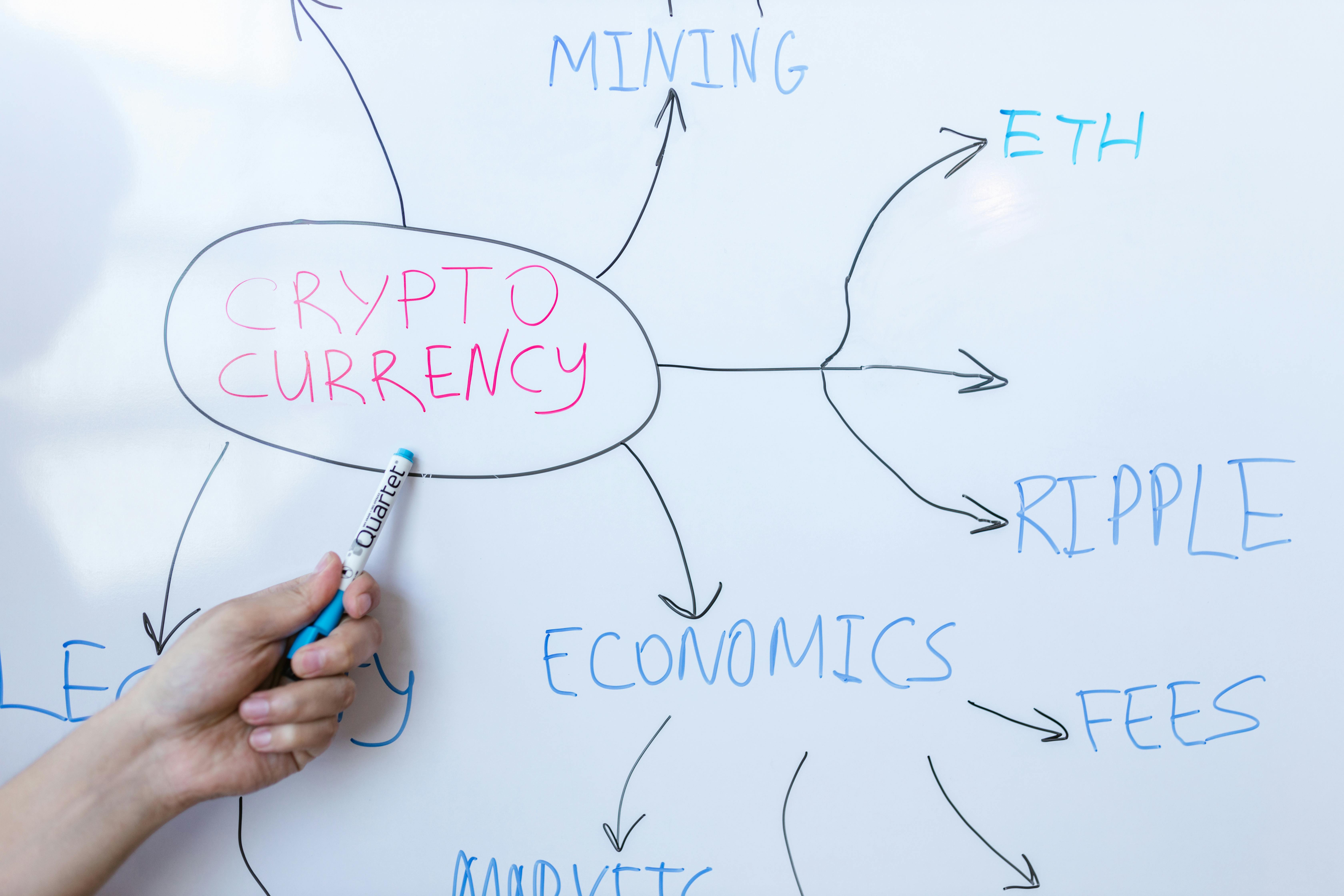
Explore the seismic shift in finance as Tokenized Real-World Assets (RWAs) unlock unprecedented liquidity and fractional ownership for investors in 2026. Discover top platforms, compare investment opportunities, and learn how blockchain is democratizing access to high-value assets like real estate, art, and commodities, optimizing your portfolio for maximum yield and diversification.
Introduction to the Topic
Welcome to 2026, where the lines between traditional finance and the burgeoning digital asset economy have blurred into a dynamic, interconnected landscape. For years, investors have sought diversification, higher yields, and access to exclusive asset classes. Today, the answer is resonating across global markets: Tokenized Real-World Assets (RWAs). This isn't just a trend; it's a fundamental restructuring of how we perceive, own, and trade value.
In simple terms, RWAs are tangible or intangible assets from the physical world – think real estate, fine art, private equity, commodities, or even intellectual property – that are represented as digital tokens on a blockchain. This seemingly straightforward act of 'tokenization' unlocks a cascade of benefits previously unimaginable for the average investor: fractional ownership, enhanced liquidity, unparalleled transparency, and global accessibility. What was once the exclusive domain of institutional giants is now being democratized, offering a new frontier for portfolio optimization.
By 2026, the concept of RWAs has moved beyond experimental pilot programs. We're witnessing substantial institutional adoption, regulatory frameworks maturing in key jurisdictions, and a robust ecosystem of platforms and protocols enabling seamless integration. The market for tokenized assets is no longer a niche corner of crypto but a multi-trillion-dollar opportunity poised for explosive growth. For investors seeking to future-proof their portfolios and tap into previously inaccessible markets, understanding and engaging with RWAs is not merely an advantage – it's a necessity.
Backgrounds & Facts
The journey to mainstream RWA adoption has been a fascinating evolution. Traditionally, investing in high-value assets like commercial real estate or private debt was fraught with barriers: exorbitant capital requirements, lengthy legal processes, opaque valuations, and most significantly, a severe lack of liquidity. Selling a stake in a private fund or a piece of property could take months, if not years.
The advent of blockchain technology, particularly smart contracts, provided the perfect technological substrate to address these inefficiencies. A smart contract, essentially a self-executing agreement coded onto a blockchain, can encapsulate the ownership rights, terms, and conditions of an underlying physical asset. When an asset is tokenized, its ownership is digitally represented by a security token – a specific type of cryptocurrency that is regulated and backed by a real-world asset. These tokens can then be divided into smaller units, allowing for fractional ownership, and traded on secondary markets 24/7, significantly enhancing liquidity.
According to projections from leading financial institutions and blockchain analytics firms in early 2026, the market capitalization of tokenized real-world assets is expected to surpass $10 trillion by the end of the decade, with significant contributions from real estate, private equity, debt, and commodities. The past few years have seen a surge in interest from institutional players, including major banks and asset managers, who are now actively exploring and launching their own tokenization initiatives. This institutional embrace is a testament to the technology's maturity and the undeniable value proposition it offers: reduced costs, increased efficiency, and broader market participation.
Key technological advancements, such as more scalable and secure Layer-1 and Layer-2 blockchain solutions (e.g., Ethereum's continued evolution, Polygon, Avalanche, Solana), alongside robust oracle networks for real-time asset valuation, have propelled RWAs into the mainstream. This infrastructure ensures the integrity and reliability of the tokenization process, building trust and paving the way for a new era of digital asset investing.
Expert Opinion / Analysis
“The tokenization of real-world assets is arguably the most significant bridge between traditional finance and decentralized finance we’ve seen to date,” states Dr. Anya Sharma, Head of Digital Asset Strategy at Quantum Investments. “In 2026, we’re past the experimental phase. We’re seeing a clear trajectory towards institutional-grade RWA platforms that offer robust regulatory compliance, sophisticated risk management, and unparalleled access to previously illiquid asset classes.”
Sharma emphasizes that while the potential for high yields and diversification is immense, investors must approach RWAs with a discerning eye. “The underlying asset’s quality, the legal framework governing its tokenization, and the transparency of the platform are paramount. Not all RWAs are created equal. Due diligence on the token issuer, the asset custodian, and the regulatory compliance of the platform is crucial.”
One of the persistent challenges, even in 2026, remains the fragmented global regulatory landscape. While jurisdictions like Switzerland, Singapore, and parts of the EU have made significant strides in creating clear legal frameworks for security tokens, others lag. This creates complexities, particularly for cross-border RWA investments. However, industry leaders are actively collaborating with regulators to establish global best practices and standards, aiming for greater harmonization in the coming years.
Another area of focus is oracle reliability. For RWAs whose value fluctuates (e.g., commodities, some private equity), accurate and tamper-proof price feeds from the real world are critical. Advanced oracle solutions, often leveraging multiple data sources and decentralized networks, are mitigating this risk, but it remains a key component of the RWA infrastructure that demands continuous innovation and scrutiny.
Despite these challenges, the consensus among experts is overwhelmingly positive. RWAs are not just a passing crypto fad; they represent a fundamental evolution of capital markets, promising to unlock trillions in trapped value and reshape how investors interact with wealth creation.
💰 Best Options in Comparison (VERY IMPORTANT)
For investors looking to dive into the world of tokenized real-world assets, 2026 offers a maturing ecosystem of platforms catering to various risk appetites and asset preferences. Here are some of the leading options making waves, each with its unique strengths:
-
Ondo Finance (ONDO)
Ondo Finance has emerged as a frontrunner in bridging institutional-grade traditional finance products with decentralized finance. Their primary focus is on offering tokenized versions of highly liquid, low-risk assets like U.S. Treasuries and money market funds. By tokenizing these assets, Ondo allows DeFi users to access stable, competitive yields typically reserved for large institutions, often denominated in stablecoins. This makes it an attractive option for investors seeking stability and yield outside of volatile crypto assets, acting as a crucial on-ramp for institutional capital into the RWA space.
-
Centrifuge (CFG)
Centrifuge is a pioneering platform focused on bringing real-world credit and invoices onto the blockchain. It allows businesses to tokenize their real-world assets, such as invoices, supply chain payments, or other forms of private credit, and use them as collateral to access liquidity from DeFi protocols. Investors can provide capital to these pools, earning yield from the interest payments of the underlying real-world loans. Centrifuge offers exposure to a diverse range of income-generating assets, often with higher yields compared to traditional fixed income, appealing to those comfortable with a slightly higher risk profile in exchange for greater returns.
-
RealT
RealT has been a consistent leader in the tokenized real estate sector. The platform offers fractional, tokenized ownership of U.S. residential and commercial properties. Investors can purchase 'RealTokens' representing a share of a specific property, earning rental income proportional to their ownership. This democratizes access to real estate investing, allowing individuals to build a diversified property portfolio with relatively small capital. RealT provides a tangible, income-generating RWA with a clear underlying asset, making it highly appealing for long-term investors seeking passive income and property appreciation.
-
Securitize Markets
Securitize is a regulated digital asset securities platform that offers a broader range of tokenized assets. As a registered broker-dealer and alternative trading system (ATS), Securitize provides institutional and accredited investors access to tokenized private equity funds, venture capital funds, real estate, and other private securities. Their robust regulatory compliance and institutional-grade infrastructure make them a trusted gateway for sophisticated investors looking for diversified exposure to private markets through security tokens.
Comparison Table: Leading RWA Investment Platforms (2026)
| Platform | Primary Asset Focus | Key Blockchain(s) | Minimum Investment (Illustrative) | Target Investor | Regulatory Posture | Key Benefit |
|---|---|---|---|---|---|---|
| Ondo Finance | U.S. Treasuries, Money Market Funds | Ethereum, Polygon, Solana | ~$100 USD (via stablecoins) | DeFi users, Institutions seeking stable yield | Regulated entity (for underlying funds) | Stable, institutional-grade yield from TradFi |
| Centrifuge | Real-World Credit, Invoices, Supply Chain Finance | Polkadot, Ethereum | ~$1,000 USD | DeFi users, Investors seeking higher credit yield | DeFi protocol, compliance focus on asset originators | Access to diverse, income-generating credit assets |
| RealT | Fractional Real Estate (Residential, Commercial) | Ethereum, Gnosis Chain | ~$50 USD | Retail investors, Global real estate enthusiasts | Compliant with U.S. securities laws (e.g., Reg D/S) | Democratized, income-generating property ownership |
| Securitize Markets | Private Equity, Funds, Real Estate, Various Security Tokens | Multiple (e.g., Ethereum) | Varies (often higher, e.g., $5,000+) | Accredited investors, Institutions | SEC-registered Broker-Dealer & ATS | Regulated access to diverse private market assets |
Outlook & Trends
Looking ahead from 2026, the trajectory for Tokenized Real-World Assets is one of accelerated growth and deeper integration into the global financial fabric. We anticipate several key trends shaping this landscape:
-
Institutional Dominance and Hybrid Models: Major banks, asset managers, and sovereign wealth funds are no longer just exploring; many are actively launching their own tokenization divisions or partnering with established RWA platforms. Hybrid models, combining the regulatory oversight of traditional finance with the efficiency of blockchain, will become the norm for large-scale RWA issuance.
-
Regulatory Harmonization: While challenges remain, the push for clearer, globally harmonized regulatory frameworks for security tokens is gaining momentum. Jurisdictions that provide regulatory certainty will attract significant capital and innovation, leading to more standardized practices for issuance, trading, and custody of RWAs.
-
Expansion to New Asset Classes: Beyond real estate and debt, expect to see tokenization expand into increasingly diverse and esoteric asset classes. Intellectual property rights, carbon credits, luxury goods, revenue share agreements, and even human capital could all find their way onto the blockchain, unlocking new investment opportunities and liquidity.
-
Advanced DeFi-RWA Integration: The synergy between decentralized finance and RWAs will deepen. We'll see more sophisticated lending protocols accepting tokenized real-world collateral, RWA-backed stablecoins, and innovative yield strategies built around these assets, further blurring the lines between crypto-native and traditional investments.
-
Enhanced Interoperability: As more RWAs are issued on different blockchains, the demand for seamless cross-chain interoperability solutions will intensify. Bridges and multi-chain protocols will become crucial for ensuring liquidity and efficient trading across the fragmented blockchain ecosystem.
The vision of a truly global, efficient, and democratized financial system, where any asset can be instantly traded and owned fractionally, is rapidly becoming a reality thanks to RWAs. This evolution promises to unlock unprecedented capital efficiency and investment opportunities for both retail and institutional investors.
Conclusion
The rise of Tokenized Real-World Assets represents a pivotal moment in the history of finance. By digitally wrapping tangible and intangible assets onto the blockchain, RWAs are dismantling barriers to entry, injecting liquidity into previously illiquid markets, and offering unparalleled transparency. For investors in 2026, this isn't just a technological curiosity; it's a powerful tool for portfolio diversification, yield generation, and accessing exclusive investment opportunities.
Whether you're an institutional investor seeking to optimize capital efficiency with tokenized treasuries or a retail investor looking to own a fraction of a commercial property, the RWA ecosystem offers compelling pathways. As regulatory clarity improves and the technology matures, the potential for RWAs to reshape global capital markets is immense. The future of finance is tokenized, and the time to explore its vast potential is now. Dive deep, conduct your due diligence, and position your portfolio to thrive in this new era of digital asset investing.