
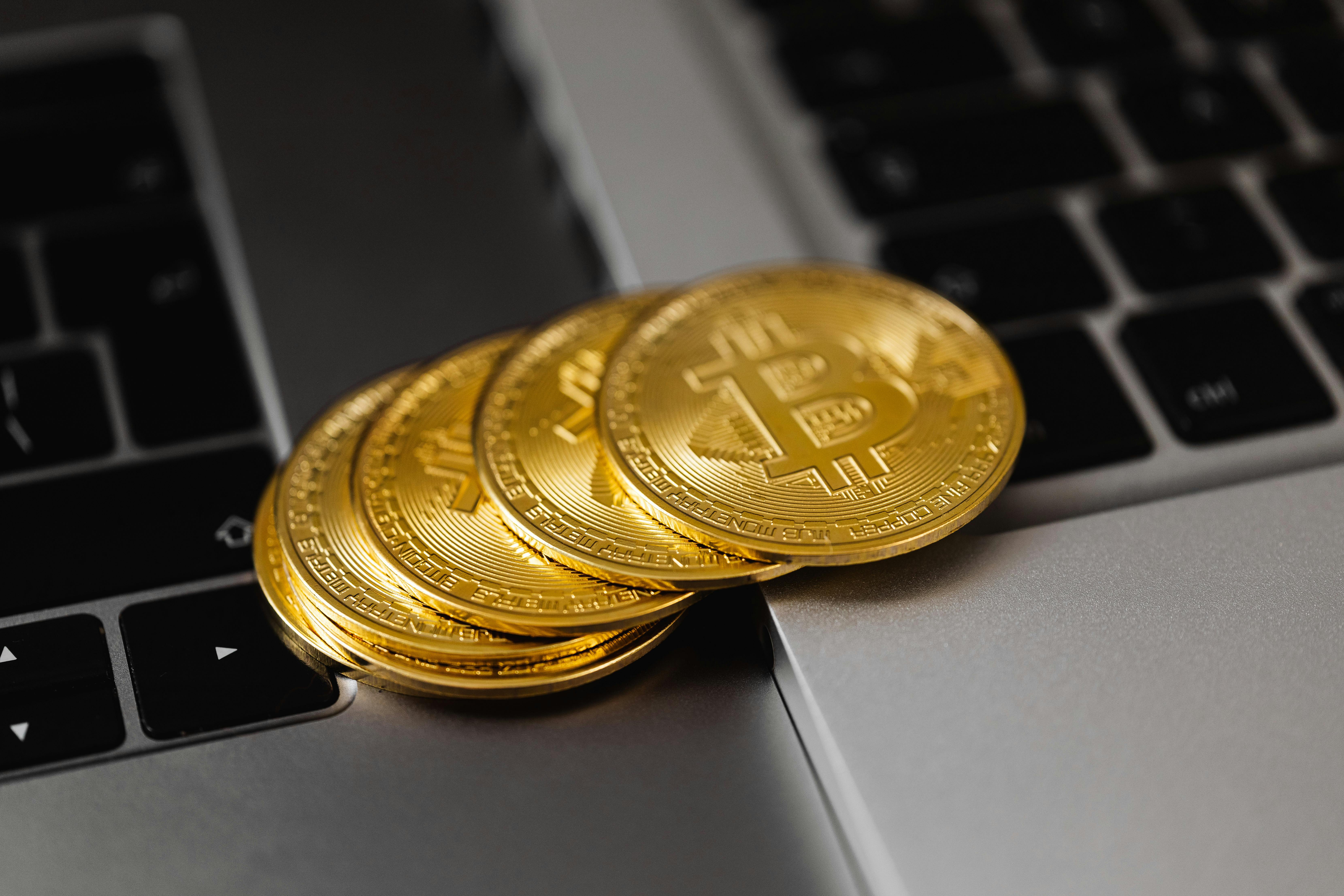
Discover how Real-World Asset (RWA) Tokenization is revolutionizing investment in 2026, offering unprecedented access to fractional ownership of real estate, private credit, and commodities. Learn which leading RWA platforms provide the best opportunities for high-yield, diversified digital asset portfolios, and capitalize on this multi-trillion dollar market shift.
Introduction to the Topic
Welcome to 2026, where the lines between traditional finance and decentralized finance (DeFi) are not just blurring – they're dissolving. The catalyst? Real-World Asset (RWA) Tokenization. Once a niche concept, RWAs have exploded into the mainstream, transforming illiquid assets like real estate, fine art, private credit, and even entire businesses into tradable digital tokens on a blockchain. For savvy investors seeking diversification, enhanced liquidity, and superior yields, RWA tokenization isn't just a trend; it's the new frontier of wealth creation. This paradigm shift is democratizing access to historically exclusive asset classes, offering fractional ownership and 24/7 trading, fundamentally reshaping investment strategies for both retail and institutional players. At Stocksmasterpro.com, we believe understanding and leveraging RWA platforms is no longer optional – it's essential for anyone aiming to optimize their investment portfolio in the current financial landscape.
Backgrounds & Facts
The journey of RWA tokenization began with the fundamental promise of blockchain: transparency, immutability, and disintermediation. Early experiments with stablecoins paved the way, demonstrating how digital tokens could represent real-world value. By 2026, the technology has matured significantly, supported by robust regulatory frameworks emerging globally, particularly in financial hubs like Singapore, Switzerland, and Dubai. The market size for tokenized assets is projected to reach trillions of dollars within the next few years, with major financial institutions like BlackRock, Fidelity, and Goldman Sachs actively exploring and launching their own tokenization initiatives. This isn't just about digitizing a deed; it's about embedding legal rights, ownership, and revenue streams directly into a programmable token. Smart contracts automate everything from dividend distribution for tokenized equity to interest payments for private credit, drastically reducing costs and increasing efficiency. This innovation addresses several pain points of traditional finance: the illiquidity of private markets, the high barriers to entry for exclusive assets, and the slow, costly settlement processes. By leveraging public and permissioned blockchains, RWA platforms are creating a more efficient, accessible, and transparent global marketplace for assets that were once out of reach for most investors.
Expert Opinion / Analysis
“RWA tokenization is arguably the most significant bridge between TradFi and DeFi we’ve seen,” states Dr. Anya Sharma, lead blockchain economist at Quantum Insights. “The ability to fractionalize a multi-million dollar commercial property or a high-yield private credit fund into affordable, liquid tokens fundamentally changes how people can build wealth. We're moving from a world where only the ultra-wealthy could access certain asset classes to one where anyone with an internet connection can participate.”
The benefits are clear: enhanced liquidity through 24/7 global trading, fractional ownership lowering investment thresholds, increased transparency with immutable on-chain records, and the potential for higher yields by cutting out traditional intermediaries. However, the landscape isn't without its challenges. Regulatory clarity, while improving, remains fragmented across jurisdictions. There are also inherent risks associated with oracle reliance – ensuring the real-world value represented by the token is accurately reflected on-chain. Legal enforceability of tokenized assets in traditional courts is another evolving area, though significant progress has been made with legal frameworks recognizing digital ownership. “The key for investors,” advises Michael Chen, CEO of Digital Asset Advisors, “is to focus on platforms with strong legal backing, robust security, and transparent auditing processes. Due diligence on the underlying assets and the platform’s compliance framework is paramount.” The integration of Know Your Customer (KYC) and Anti-Money Laundering (AML) protocols on these platforms ensures compliance, paving the way for broader institutional adoption and greater investor confidence.
💰 Best Options in Comparison (VERY IMPORTANT)
As the RWA market matures, several platforms have emerged as leaders, each with unique strengths. Here are some of the top options for investors looking to gain exposure to tokenized real-world assets in 2026:
- Centurion Capital DAO: Specializing in high-value, institutional-grade real estate and private equity tokenization. Centurion Capital focuses on offering fractional ownership of premium commercial properties, luxury resorts, and vetted private equity funds. Their stringent due diligence, adherence to global securities laws (e.g., Reg D, Reg S), and focus on accredited investors make them a top choice for those seeking stable, high-value returns with robust legal backing. They leverage a permissioned blockchain for enhanced privacy and regulatory compliance, ensuring a secure environment for significant capital deployment.
- CreditFlow Protocol: A leading DeFi protocol pioneering tokenized private credit and corporate bonds. CreditFlow connects institutional borrowers (e.g., SMEs, fintech lenders) with DeFi liquidity, offering attractive, stablecoin-denominated yields for investors. Their robust credit assessment models, transparent loan origination, and on-chain collateral management provide a compelling alternative to traditional fixed-income investments. Investors can earn passive income by providing liquidity, with yields often exceeding those found in traditional bond markets due to the efficiency of DeFi.
- CommodityChain: For investors seeking tangible asset exposure and inflation hedging, CommodityChain offers tokenized physical commodities like investment-grade gold, silver, and even rare earth minerals. Each token is directly backed by audited physical reserves held in secure vaults, providing a digital representation of real-world value. This platform offers an accessible way to diversify portfolios away from volatile crypto assets while retaining the benefits of blockchain liquidity and transparency. Their partnerships with established precious metals dealers and auditing firms ensure asset integrity.
To help you choose, here’s a comparison of these leading RWA investment platforms:
| Feature | Centurion Capital DAO | CreditFlow Protocol | CommodityChain |
|---|---|---|---|
| Primary Asset Focus | Real Estate, Private Equity | Private Credit, Corporate Bonds | Physical Commodities (Gold, Silver) |
| Target Investor | Accredited Investors, Institutions | Retail & Institutional (DeFi users) | Retail & Institutional (Diversification) |
| Typical Yield/Return | 6-15% APY (Asset Dependent) | 8-18% APY (Loan Dependent) | Market Price Appreciation, Inflation Hedge |
| Regulatory Compliance | High (Reg D/S, Securities Law Focus) | Evolving (DeFi-native, legal wrappers) | Medium (Commodity-backed, asset ownership) |
| Minimum Investment | Typically $5,000 - $50,000+ | As low as $100 | As low as $50 |
| Underlying Blockchain | Custom Permissioned EVM Chain | Ethereum (L2s), Polygon, Avalanche | Ethereum, Solana |
| Key Advantage | Access to exclusive, high-value assets with strong legal frameworks. | High, stable yields from real-world debt in DeFi. | Liquid, verifiable ownership of physical commodities. |
Outlook & Trends
The future of RWA tokenization in 2026 and beyond looks incredibly promising. We anticipate even greater institutional involvement as regulatory clarity solidifies and interoperability between traditional financial systems and blockchain ecosystems improves. New asset classes, from intellectual property rights to carbon credits and even human capital, are ripe for tokenization, expanding the investment universe dramatically. The rise of Layer 3 solutions and specialized app-chains will further optimize RWA platforms for specific asset types, offering tailored security, scalability, and compliance features. Expect to see more sophisticated financial instruments built on top of tokenized RWAs, such as derivatives, lending protocols, and insurance products, creating a robust and interconnected digital asset economy. As blockchain technology becomes more energy-efficient and user interfaces become even more intuitive, RWA investing will become as commonplace as trading stocks, making it an indispensable component of any forward-thinking investment portfolio.
Conclusion
Real-World Asset Tokenization is not just an evolution; it's a revolution in how we perceive, own, and trade value. By bridging the gap between tangible assets and the digital economy, RWAs offer unprecedented opportunities for liquidity, fractional ownership, and diversified, high-yield investments. For investors on Stocksmasterpro.com looking to capitalize on the financial landscape of 2026, exploring platforms like Centurion Capital DAO, CreditFlow Protocol, and CommodityChain is crucial. The time to integrate tokenized real-world assets into your portfolio is now – unlock billions and redefine your wealth strategy for a decentralized future.