
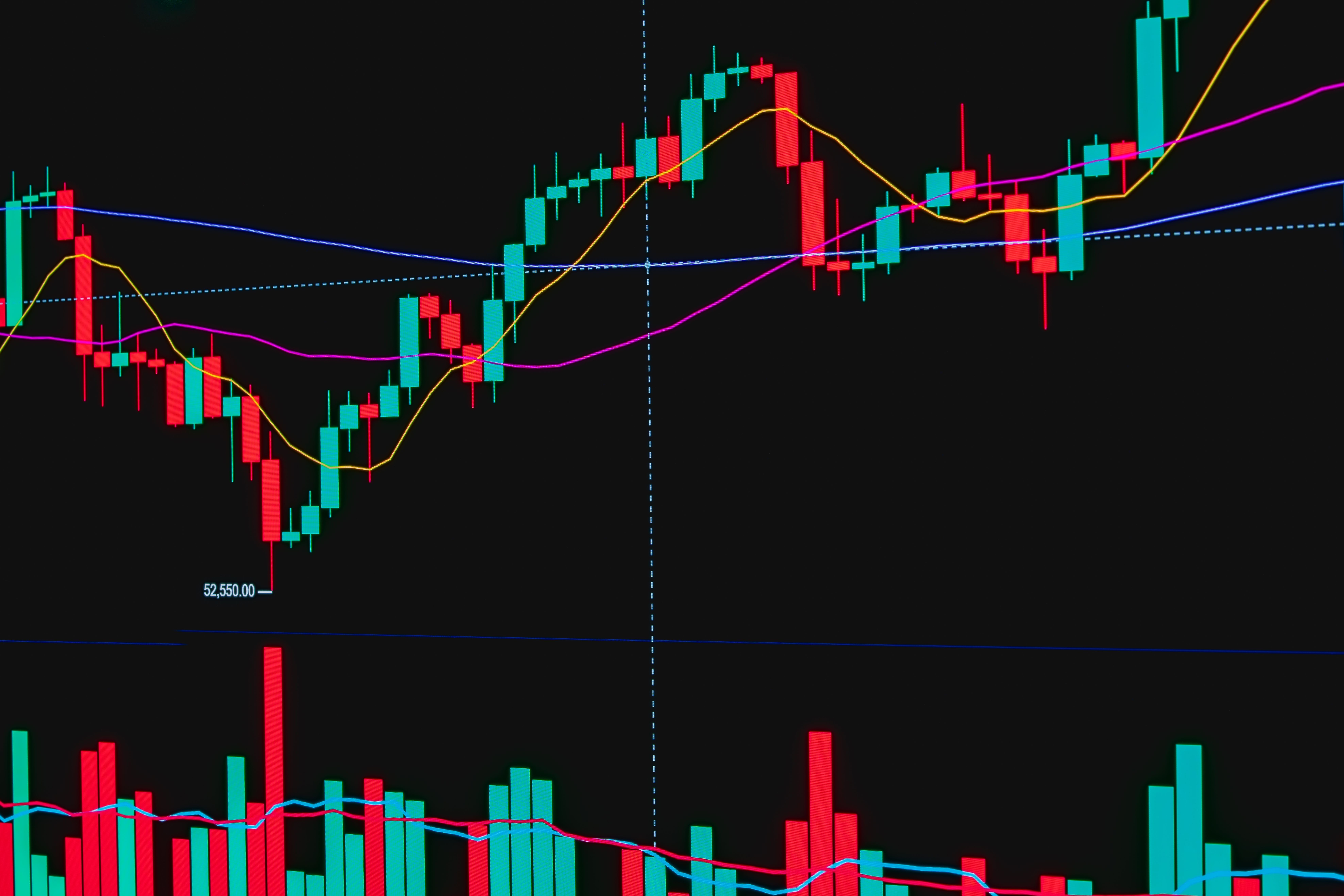
A mutual fund does not have a price that moves through the trading day. It calculates one value after the close, and every order that day transacts at that single figure.
What net asset value measures
Net asset value is the fund's total assets minus its liabilities, divided by shares outstanding. It is an accounting result rather than a price set by supply and demand.
Assets are valued using closing prices for the securities held, plus accrued income. Liabilities include accrued fees, pending redemptions and any borrowings the fund carries.
Because the calculation depends on the closing prices of every holding, it cannot begin until markets close and pricing data arrives from vendors and custodians.
Why forward pricing exists
Under forward pricing rules, an order receives the next net asset value calculated after the order is received, not the one already published from the previous day.
The rule prevents buying at a stale price already known to be below current value. Without it, an investor could arbitrage the fund against its own shareholders.
The practical consequence is that an investor placing a mutual fund order does not know the execution price. That is a structural feature, not a broker limitation.
The cutoff time and who enforces it
Orders received before the fund's cutoff, typically the market close on a business day, get that day's value. Orders after it get the following day's.
Intermediaries such as brokers and retirement plan recordkeepers batch orders and transmit them to the fund. The timestamp that matters is when the intermediary received the order.
Late trading, where orders received after the cutoff are given the earlier price, is prohibited. Enforcement cases in this area reshaped how intermediaries timestamp and transmit orders.
How fair value pricing complicates it
A fund holding foreign securities faces markets that closed hours earlier. Using those stale closing prices can leave the value out of date before it is even published.
Funds therefore apply fair value procedures, adjusting foreign holdings using models or indicators that reflect information after the foreign close. The board oversees these procedures.
This introduces judgment into a calculation that otherwise looks purely arithmetical, which is why fair value methodology is disclosed and periodically examined.
What this means against exchange traded funds
An exchange traded fund trades continuously on an exchange, so its market price can drift from the underlying value during the day. Mutual funds cannot drift because they do not trade.
Instead, the creation and redemption mechanism keeps an exchange traded fund's price tethered, while a mutual fund transacts directly with the fund at the struck value.
Two different structures solve the same problem of connecting share price to underlying assets. One does it continuously through arbitrage, the other once daily through arithmetic.