
Selling something before owning it sounds impossible, yet it is a routine market operation. The step that makes it work is a securities loan arranged before the sale settles.
The borrow comes first
A short seller locates shares held by another investor, borrows them, and sells them into the market. The proceeds are received but the shares must eventually be returned.
Lenders are typically large holders such as index funds and custodians, for whom lending generates income on positions they intend to hold regardless of short-term price movements.
The borrower posts collateral exceeding the value of the shares, and that collateral is adjusted as the price moves, so the lender is protected if the borrower fails.
Holding the position costs money
A borrow fee accrues for as long as the position stays open, and it is set by supply and demand for that particular security rather than by any general rate.
Shares that are widely held and rarely shorted cost very little to borrow. Shares that many participants want to short and few wish to lend can become extremely expensive.
The short seller also owes the lender any dividends paid during the loan, since the original holder must be left in the same economic position as if nothing had happened.
The loss profile is asymmetric
A share purchase can lose at most the amount invested, because the price cannot fall below zero. The gain, in principle, has no ceiling.
A short position inverts this. The maximum gain is the full sale value if the price falls to nothing, while the loss grows without limit as the price rises.
The position also grows as it moves against the seller, so a losing short becomes a larger exposure precisely when the trader can least afford it.
Recalls and squeezes force exits
A lender can demand the shares back, and if no replacement borrow is available the position must be closed immediately regardless of the trader's view.
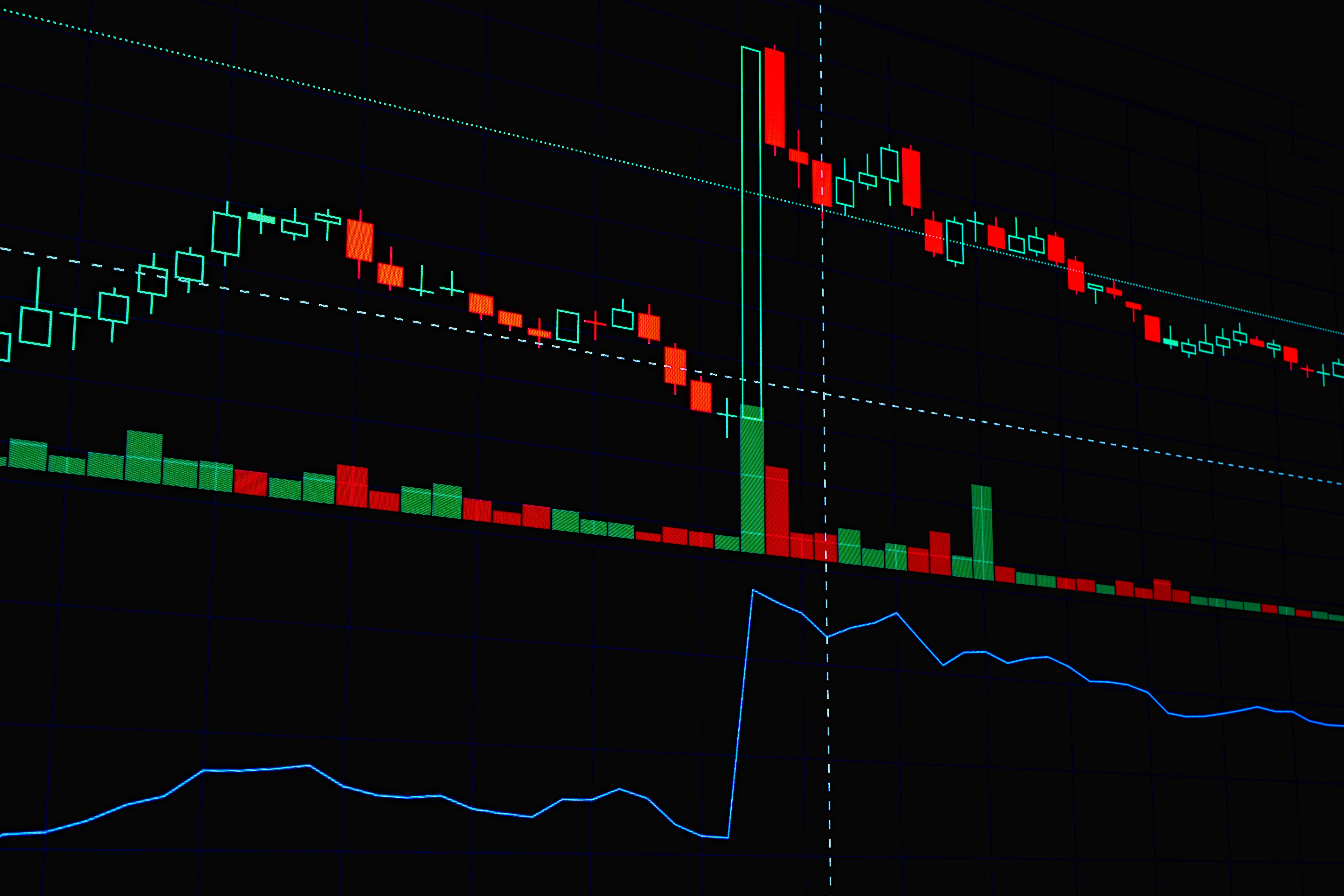
When many shorts are forced to buy at once, the resulting demand drives the price higher, which triggers further forced closures in a self-reinforcing sequence.
These episodes are most severe where the shorted quantity is large relative to shares actually available to trade, since the exit is narrower than the crowd trying to use it.
The function it serves in markets
Short selling allows negative views to be expressed in prices, which would otherwise reflect only the opinions of those willing to buy.
It also supports market making and hedging, since a firm quoting both sides of a market needs the ability to sell what it does not yet hold.
Restrictions on short selling tend to widen spreads and reduce trading depth, which is why bans imposed during periods of stress are usually temporary.